
 YatırımMasasıYatırım Masası home
Oil Near $117 Jolts Australian Stock Market
The Australian stock market began the week under heavy selling pressure. In futures trading, the S&P/ASX 200 index fell by 43 points, or 0.5%, to 8,774 points. At the root of this decline were sharp losses led by technology shares on Wall Street. The tech-heavy Nasdaq 100 index suffered its worst two-week decline since April of last year amid waning confidence in artificial intelligence investments.
Why did the Australian stock market decline?
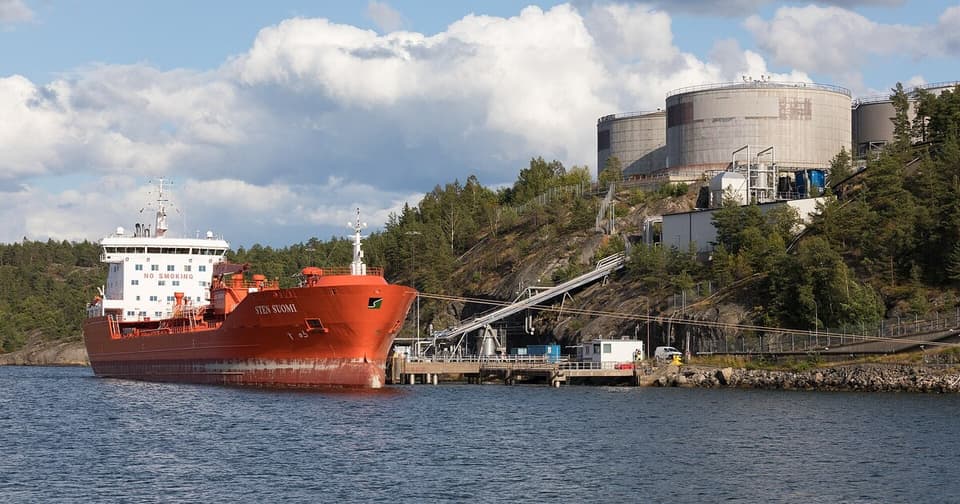
Prominent among the primary drivers of the decline in the stock market are surging oil prices and correspondingly rising consumer price inflation (CPI) expectations. The price of a barrel of Brent crude oil tested the $117 threshold on Friday. Escalating attacks launched on Saudi Arabian territory by Iran-backed Houthi militants pushed risks to global oil supply to an elevated level. Supply disruption fears in energy markets triggered broad selling across both US equities and the bond market. Investors fear that rising energy costs will delay interest rate cuts and reignite global consumer price inflation.
Will the Reserve Bank of Australia raise interest rates?
Markets see a greater than 60% probability that the Reserve Bank of Australia will raise interest rates next month. Following hawkish statements from Deputy Governor Andrew Hauser, calculations in money markets were reworked from scratch. Bond investors expect the bank to lift the cash rate by a quarter-point to 4.85% at the upcoming meeting. The country's major banks also foresee an interest rate hike next month. The third-quarter consumer price inflation report to be released by the Australian Bureau of Statistics on Wednesday will be decisive ahead of the rate meeting in early November. In September, consumer price inflation is estimated to have accelerated while remaining above the official 2% to 3% target range.
Moves by global central banks also represent the main agenda item for markets. The US Federal Reserve is expected to leave its interest rate unchanged, while keeping the possibility of an additional hike during the year on the table. While the central banks of New Zealand and Canada are preparing to hike interest rates, the central banks of Europe and Japan are projected to maintain their current monetary policy stance. Rising global interest rates are increasing pressure on equity markets.
Amid market volatility, third-quarter earnings releases from tech giants will be closely watched. On the US side, financial results from Alphabet, Microsoft, Amazon, and Intel will be released. In the South Korean market, chipmakers SK Hynix and Samsung will announce their new financial figures. These results will play a critical role in whether concerns surrounding the artificial intelligence sector ease.
This content is for information purposes only and does not constitute investment advice.