
 YatırımMasasıYatırım Masası home
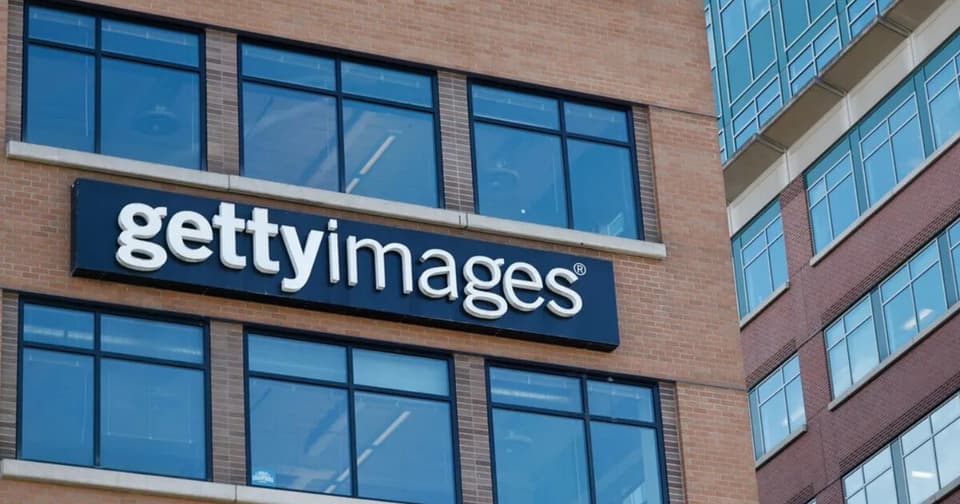
Getty Images Files for Bankruptcy Protection with $2.1 Billion in Debt
 GETY
Demand pressure created by artificial intelligence technologies in the visual content industry and merger costs have driven global photo provider Getty Images into bankruptcy protection. The company is preparing to file for bankruptcy protection under Chapter 11 of the U.S. Bankruptcy Code in order to clear debt exceeding $2.1 billion on its balance sheet. Following the restructuring process to be carried out, the company is planned to exit public status and become a private company.
What plan will Getty Images follow during the bankruptcy protection process?
Under the terms of the agreement, Koch Equity Development and certain members of the Getty family will make a new equity investment of more than $533 million in the company. Aimed at easing the debt burden and strengthening the balance sheet, the process is targeted for completion by the end of 2026 following creditor support and court approval. During the process, in which a majority of creditors have committed to supporting the plan, it was announced that the company will maintain its operations without interruption and that no adverse impact is expected on content creators or employees.
What factors played a role in the company's financial crisis?
Getty Images' financial bottleneck deepened following the cancellation of the planned $3.7 billion merger with its rival Shutterstock. The merger initiative, shelved due to antitrust reviews by the UK Competition and Markets Authority (CMA), imposed an expenditure burden of more than $100 million on the company for advisory and financing expenses. Pressured by high operating expenses, the company reported a loss of $206.1 million in 2025; while revenue in the 2nd quarter of 2026 stood at $229.1 million.
As its share price fell below $1 under the impact of financial deterioration, delisting proceedings from the New York Stock Exchange were initiated against the company at the end of September 2026. While the annual number of subscribers dropped from 321 thousand to 241 thousand in 2025, Chief Executive Officer Craig Peters emphasized that artificial intelligence has reduced demand for traditional photography services. Chief Financial Officer Jennifer Leyden explained the loss of subscribers by pointing to the narrowing of low-value customer channels and the termination of the iStock free trial program. Founded in 1995 and holding a visual archive of more than 477 million assets, the company is expected to focus on photojournalism and archival collections following the restructuring.
This content is for information purposes only and does not constitute investment advice.