
 YatırımMasasıYatırım Masası home
Federal Reserve Pauses Interest Rate Hikes
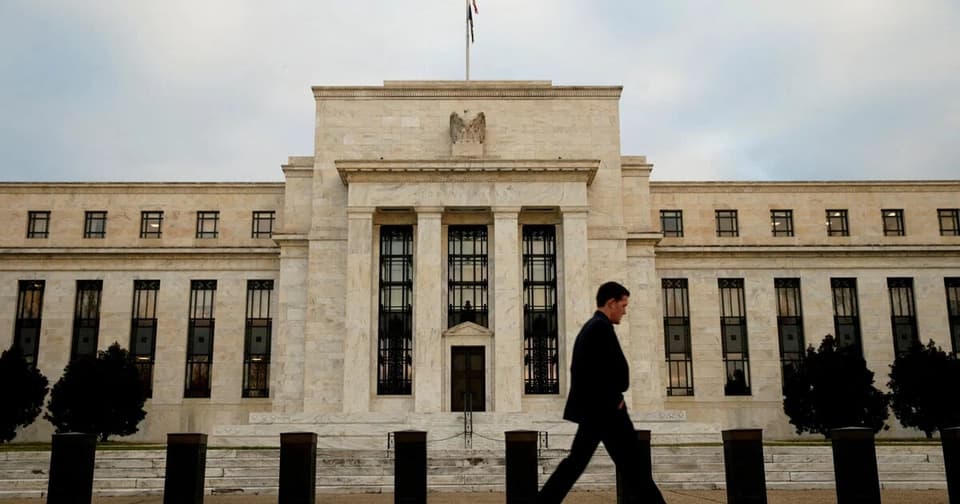
The Federal Reserve (Fed) is preparing to pause rate hikes at its monetary policy meeting in the new week despite high consumer price inflation (CPI) data. During the 3-day meeting process starting on Wednesday, October 28 in Washington, the likelihood of keeping the policy rate unchanged stands out. Policymakers are maintaining a cautious stance against consumer price inflation (CPI) risks that remain lively due to rising energy prices and spending triggered by artificial intelligence investments. The bank management aims to buy time by balancing its hawkish approach with a measured pace.
Will the Federal Reserve raise interest rates?
Having raised interest rates in September for the 1st time since 2023, the institution is in no rush to deliver an immediate new hike. Economists and market participants project that the next interest rate step will come at the December 2026 meeting. Federal Reserve Chairman Kevin Warsh will face a communications test after the meeting, avoiding making firm commitments about the future. Board members continue to monitor the course of economic indicators without prejudging the interest rate path.
The GDPNow model prepared by the Atlanta Fed calculates that the United States economy will grow by 3.5% on an annualized basis in the 3rd quarter. This rate points to the strongest growth performance of the past 1 year. While strong consumer spending and private sector investments drive economic growth, the gross domestic product report to be released by the government will also include personal consumption expenditures data, the bank's primary consumer price inflation (CPI) indicator.
Will other central banks raise interest rates?
On the global front, the European Central Bank (ECB) and the Bank of Japan are also preparing to hold interest rates at their current levels. Troubles in the French bond market are decisive in the decision on the European front. In contrast, the possibility of an interest rate hike is gaining traction at the Bank of Canada and the Reserve Bank of New Zealand.
Crude oil prices hovering at the level of $100 per barrel is increasing cost pressures. Expectations that borrowing costs will remain high in developed nations are escalating capital outflow risks in Asian markets. Regional economies are trying to cope with high energy costs and tightening financial conditions.
This content is for information purposes only and does not constitute investment advice.