
 YatırımMasasıYatırım Masası home
Bitcoin miners cross 1 zettahash threshold after 8 months
 BTC
 ETH
Bitcoin miners, in a market trading around the $80,220.55 level as of October 25, pushed the network's 7-day average processing power back above the 1 zettahash (ZH/s) threshold after approximately 8 months. Global miners, performing more than 1 sextillion mathematical operations per second to secure the network and earn block rewards, lifted computational capacity above the 1,000 exahash level. While Bitcoin, with a 24-hour trading volume of approximately $10.9 billion, fell 0.68% on a daily basis, the market's second-largest asset, Ethereum, fell 1.01% with a volume of $5.6 billion, trading at $2,331.95.
How did Bitcoin miners reach the 1 zettahash threshold?
The network's instantaneous processing power reached the 1,080.23 exahash (1.08023 zettahash) level following the latest difficulty adjustment that occurred at block 971712 approximately 9 days ago. The 7-day moving average was last recorded above the 1 zettahash mark on March 3. Although the recovery in the sector gained momentum following the trough of 726 exahash seen in July, it continues to lag behind the record territory between 1.3 and 1.44 zettahash recorded in previous periods.
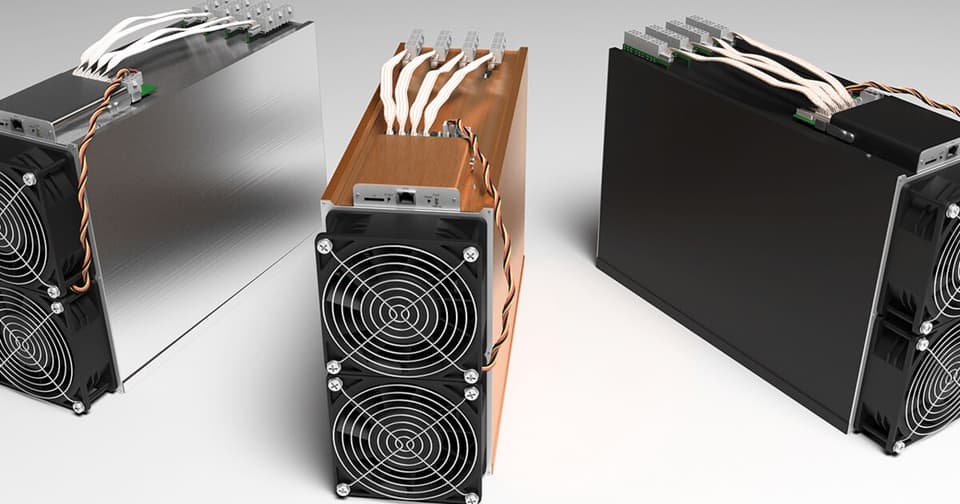
The increase in computational capacity came at a time when corporate mining companies shifted their capital and equipment toward artificial intelligence and high-performance computing. While small-scale, independent, and private mining operations filled the void left by major players, new hardware brought online over the last 2 years also provided energy efficiency. New mining rigs developed by manufacturers such as Bitmain and MicroBT exceeding 1 petahash per second in capacity delivered a competitive edge by lowering operating costs with electricity consumption below 10 joules per terahash (J/TH).
Where are mining revenues and difficulty levels heading?
Conversely, cost pressures persist in the face of the expansion in the network's computing power. The decline in Bitcoin's price over the last 30 days dragged down the hashprice metric, which represents the revenue miners earn per unit of compute. According to hashrateindex data, the daily hashprice, which stood at $40.42 on September 25, 2026, dropped to $36.04. While the 5.92% increase in mining difficulty in the latest adjustment narrowed profit margins, the block production interval falling to 9 minutes and 31 seconds over the last 24 hours indicates that difficulty could rise again in the new adjustment expected on October 29.
This content is for information purposes only and does not constitute investment advice.