
 YatırımMasasıYatırım Masası home
Bitcoin hashrate surpasses 1 zettahash despite AI migration
 BTC
 BTDR
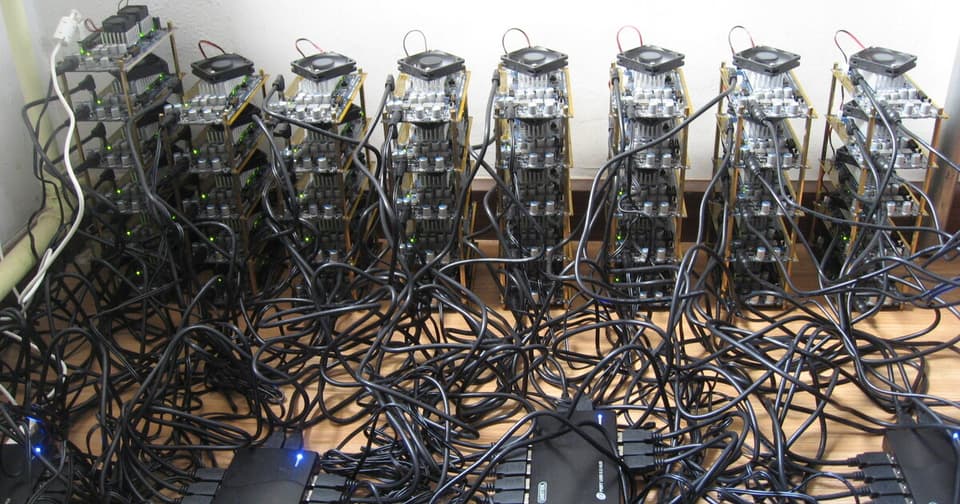
At a time when major publicly traded mining companies are rapidly converting their facilities into artificial intelligence and high-performance computing infrastructures, the computing capacity of the Bitcoin network is showing unexpected resilience. The network's 7-day average hashrate surpassed the 1 zettahash (1,000 EH/s) threshold again over the past 1 week, climbing to its highest level since March 3. This rebound in hashrate presents a remarkable picture for industry dynamics, as it occurs against a backdrop where institutional miners have been withdrawing significant amounts of capacity from the network.
Why is Bitcoin hashrate rising?
The capacity increase across the network was directly reflected in mining difficulty as well. While Bitcoin mining difficulty rose 5.92% during the adjustment on October 16, the block production pace in the current difficulty epoch points to another increase of 5.16% in approximately 7 days. If this estimate, which may change depending on block production speed, holds for now, the network will witness 2 consecutive strong difficulty increases, dashing expectations that giants handing over mining space to AI would give remaining miners room to breathe.
How did AI affect mining rigs?
The pivot of major miners toward AI is backed by concrete financial data. While the realized hashrate of publicly traded miners on the network declined, directly reported HPC and AI revenues recorded a 52% increase on a quarterly basis. Under the assumption of a hardware cost of $20 per terahash, approximately $1.5 billion worth of hardware investment lies behind the capacity withdrawn from the system. Converting a mining site into an AI data center represents a permanent structural shift; once rigs are dismantled, the facility is rebuilt, and power capacity is allocated to AI clients, it is not possible for this power to return even if mining profitability rises.
The hashrate vacated by the giants is being filled by other players continuing to grow and the secondary market. Nasdaq-listed Bitdeer (BTDR) increased its self-mining capacity in its September update to 82.3 EH/s from 79.9 EH/s the previous month and 35 EH/s last year. The company's hosted mining capacity at third-party facilities also climbed from 21.6 EH/s to 28.7 EH/s, delivering an additional 9.5 EH/s of power across 2 categories in 1 single month.
On the other side of the transformation, small and medium-sized miners are taking over the hardware offloaded by the giants. In the 2nd quarter, Core Scientific (CORZ) recorded a loss of $41.9 million by terminating its 15 EH/s hardware contract with Block and Proto Global, pivoting its focus to high-density hosting services. During this process, platforms like Sazmining are redeploying second-hand Antminer S21 XP units in regions with cheap electricity costs, such as Paraguay and Texas. Thus, contrary to the institutional mining race in 2021, hardware capital is shifting away from corporate giants toward smaller-scale operators.
Despite this fierce competition in network infrastructure, crypto asset prices display a calmer outlook. In recent data, Bitcoin stands at $80,302.70 with a daily decline of 0.58%, while its 24-hour trading volume reached approximately $19.0 billion. Meanwhile, the market's 2nd-largest asset, Ethereum, traded at $2,328.00 with a daily retreat of 1.18%, recording a volume of approximately $9.3 billion.
This content is for information purposes only and does not constitute investment advice.